Staying Active Indoors: Winter Activities for Seniors
Villas of Holly Brook
January 1, 2026
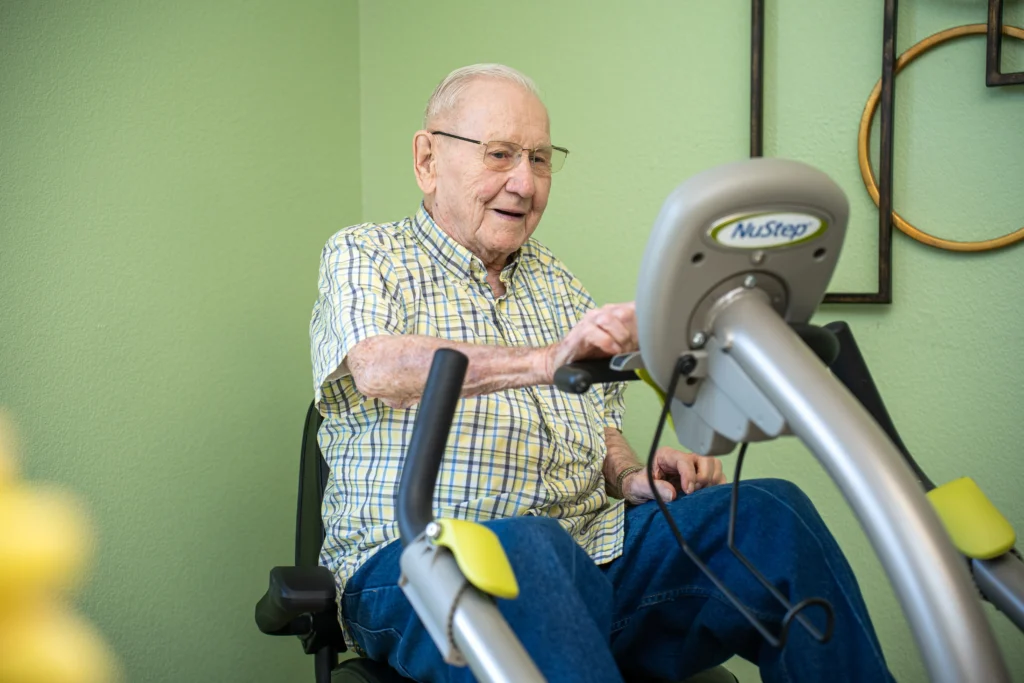
Resident enjoying a physical activity
SHARE
When winter arrives, shorter days and colder temperatures can make it harder for seniors to stay active. Icy sidewalks, snow-covered driveways, and limited daylight often mean spending more time indoors. While winter weather can change routines, it doesn’t have to limit movement, engagement, or overall well-being.
Staying active—physically, mentally, and socially—is essential at every stage of life. For seniors, regular activity supports mobility, balance, cognitive health, and emotional wellness. With a little creativity and planning, winter can be a season filled with meaningful activity, whether you live independently or in an assisted living community.
Here are practical and enjoyable ways seniors can stay active indoors throughout the winter months.
Why Staying Active in Winter Matters
Physical activity helps seniors maintain strength, flexibility, and balance, which can reduce the risk of falls and support independence. Just as important, mental and social engagement helps combat feelings of isolation that can sometimes increase during winter.
Even light, consistent activity—like stretching, games, or group interaction—can boost mood, improve sleep, and create a greater sense of purpose. Winter offers the opportunity to focus on indoor routines that nurture both body and mind.
Indoor Activities for Seniors Living Independently
For seniors living at home, staying active indoors often starts with simple, accessible activities that fit comfortably into daily routines.
Gentle Movement and Exercise
Chair exercises, stretching routines, and light strength training using resistance bands or household items can help keep muscles engaged. Many seniors enjoy following along with exercise videos designed specifically for older adults, which can be done safely from home.
Hobbies and Creative Activities
Winter is a great time to rediscover favorite hobbies or try something new. Activities like painting, knitting, puzzles, woodworking, or scrapbooking keep hands busy and minds sharp. Creative outlets also offer a sense of accomplishment and relaxation.
Mental Stimulation
Reading, crossword puzzles, word games, and card games provide valuable mental exercise. Learning something new—such as a language, musical instrument, or technology skill—can also be deeply rewarding during the quieter winter months.
Staying Social Indoors
Phone calls, video chats, and small indoor gatherings with friends or family help seniors stay connected when travel is difficult. Virtual book clubs, faith services, or hobby groups can also provide meaningful interaction from home.
Staying Active Indoors in Assisted Living Communities
Assisted living communities are uniquely designed to support active, engaging lifestyles year-round, including during winter. Residents benefit from structured programming, accessible spaces, and built-in opportunities for connection.
Group Fitness and Wellness Programs
Many communities offer indoor exercise classes tailored to seniors, such as chair yoga, balance training, stretching, or low-impact aerobics. These programs help residents stay physically active in a safe and supervised environment.
Social and Recreational Activities
Winter activity calendars are often full of options, including game nights, crafts, music programs, educational presentations, and group discussions. These activities encourage participation while fostering friendships and a strong sense of community.
Opportunities for Mental Engagement
From trivia games and book clubs to educational workshops and themed events, assisted living communities offer activities that stimulate memory, creativity, and conversation—all essential for cognitive wellness.
The Role of Community in Winter Wellness
One of the biggest challenges seniors face in winter is isolation. In assisted living, residents are surrounded by peers and supportive staff, making social interaction a natural part of daily life. For seniors living independently, intentionally scheduling activities and connections can help maintain that same sense of engagement.
Whether through group programs or one-on-one interactions, staying connected plays a vital role in emotional health. Even small moments of connection—a shared meal, a friendly conversation, or a group activity—can make winter feel warmer and more fulfilling.
Creating a Balanced Winter Routine
No matter where a senior lives, the key to staying active indoors is balance. A healthy winter routine includes:
Movement to support physical health
Mental stimulation to keep the mind engaged
Social interaction to nurture emotional well-being
By mixing these elements into each day, seniors can continue to thrive during the winter months.
Embracing Winter as a Season of Opportunity
While winter may change how seniors stay active, it doesn’t have to limit their quality of life. With thoughtful planning and the right support, indoor activities can be just as enriching as outdoor ones.
In assisted living communities, residents enjoy the benefit of built-in programs, social opportunities, and safe environments designed to support wellness year-round. For seniors living independently, winter offers a chance to slow down, explore new interests, and strengthen connections in meaningful ways.
Staying active indoors isn’t just about passing the time—it’s about continuing to live fully, no matter the season.