Making the decision to move a loved one into memory care is never easy. It’s an emotional choice filled with questions, hopes, and — often — worries about how they will adjust to their new environment. One of the biggest factors that influences not only their adjustment but also their overall quality of life is something simple yet powerful: socialization.
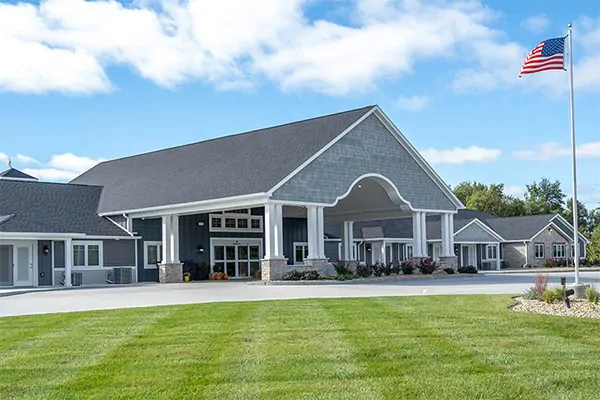
At The Villas of Holly Brook, we’ve seen firsthand how connection and community can help residents with memory challenges find comfort, confidence, and joy. This blog explores why socialization is so important in memory care and how families can help their loved ones engage in meaningful ways.
The Emotional Impact of Isolation
Before moving into memory care, many seniors — especially those with Alzheimer’s or other forms of dementia — spend more time isolated at home. This isolation can lead to:
Increased confusion
Accelerated cognitive decline
Feelings of depression or anxiety
Withdrawal from loved ones and daily activities
Isolation doesn’t just affect their mood; it impacts their overall health. Humans are wired for connection, and this need doesn’t go away with age or memory changes.
The Healing Power of Socialization
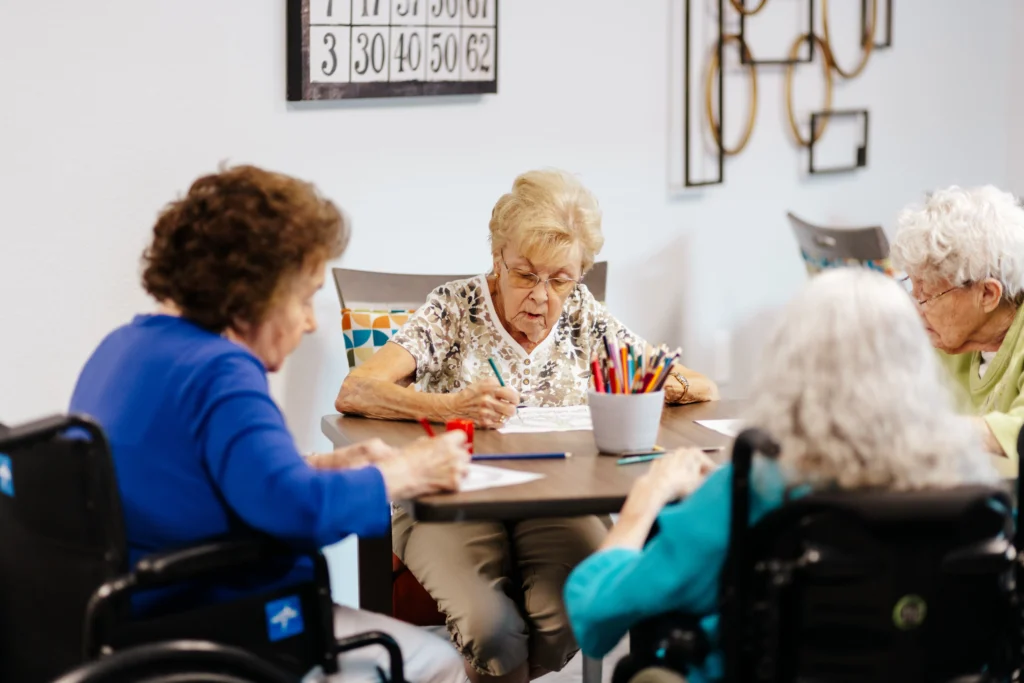
Social interaction in a structured, supportive environment provides countless benefits for seniors in memory care. It can:
Slow cognitive decline: Activities like music therapy, group games, and reminiscing sessions stimulate memory and brain function.
Boost emotional well-being: Friendly conversations and shared laughter help reduce anxiety and improve mood.
Promote a sense of purpose: Being part of a community gives residents daily reasons to engage and participate.
Encourage physical activity: Group walks, dance sessions, and exercise classes keep the body active while nurturing connection.
Even small interactions — sharing a meal with others, chatting during an activity, or receiving a warm greeting from staff — can make a world of difference.
The First Days: Gentle Encouragement
When your loved one first moves into memory care, it’s natural for them to feel hesitant or unsure. They may prefer staying in their room or avoiding activities at first. This is a normal part of the adjustment process.
During this stage, your support is key. You can:
Attend an activity with them during your visit to help break the ice.
Talk with staff about your loved one’s interests so they can match them with activities they’ll enjoy.
Celebrate small steps, like sharing lunch with another resident or joining a music session.
Building Belonging Over Time
As your loved one adjusts, socialization often becomes a source of comfort — and joy. They may start to:
Recognize staff and fellow residents by name
Look forward to daily group activities
Share stories from their past during group conversations
Laugh, sing, or dance during music or movement therapy
At this stage, you’ll often see your loved one become more relaxed and engaged, and sometimes, more like themselves again.
How Families Can Support Social Connection
Your involvement continues to be a powerful part of their journey. Here’s how you can help maintain strong social connections:
Visit regularly: Familiar faces provide reassurance and stability.
Participate in special events: Family nights, holiday gatherings, and themed activities are great opportunities to bond.
Encourage friendships: Celebrate new connections they’re forming with staff or other residents.
Share stories and photos: Reminiscing activities often spark conversation and connection with others.
When to Seek Extra Support
If you notice your loved one withdrawing from social opportunities even after several weeks, talk with the care team. Sometimes this indicates an underlying issue like depression, anxiety, or a need for a more tailored activity plan.
A Community of Care and Connection
At The Villas of Holly Brook, we believe that socialization isn’t just an activity — it’s an essential part of quality memory care. Every smile, every conversation, every shared experience builds a sense of belonging that supports both emotional and cognitive well-being.
Your loved one’s journey in memory care is unique, but one thing remains true for everyone: connection heals, comforts, and enriches lives. With patience, encouragement, and the right environment, your loved one can find community — and even joy — in this new chapter.